
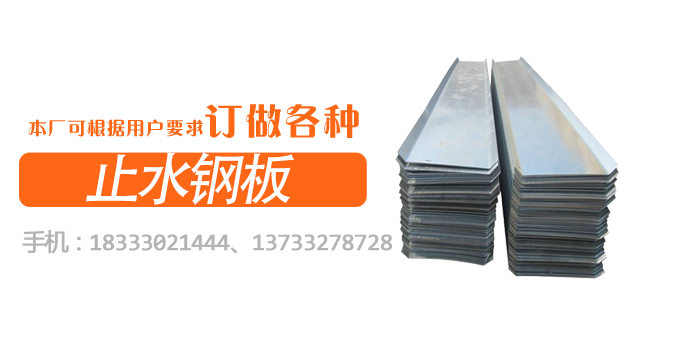
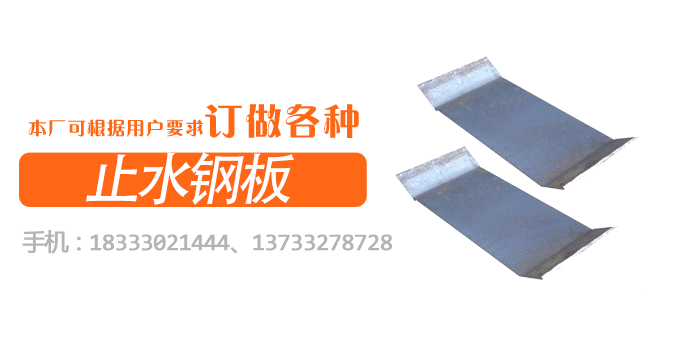

当我们提到建筑物防水时,止水带
Understanding Types of Waterstops
There are mainly two categories: rubber and metal strips. Rubber varieties include chloroprene, neoprene rubbers, EPDM rubber (Ethylene Propylene Diene Monomer), and silicone rubber. Each differs in their ability to resist chemical corrosions, high temperatures, and environmental conditions. For instance, for projects involving contact with chemicals or under extreme weather, EPDM rubber might be preferable due to its extraordinary resistance against UV rays, ozone, alkalis, acids, and many solvent fluids. On the other hand, PVC nitrile rubber combines excellent aging resistance while maintaining flexibility even at lower temperatures.
Identifying the Root Source of Leaks
To choose adequately, it's crucial first to identify where and why leaks occur. Common issues arise from concrete cracks, poor construction detailing, or worn-out previous waterproof layers. After pinpointing these areas, assess any potential movement expected in those specific parts since certain materials may not accommodate large structural shifts, leading to failure over time.
Installation Considerations & Techniques
The method varies depending on whether new or renovation work takes place. Fresh setups typically involve placing them directly into the joint before pouring concrete, allowing seamless integration. Meanwhile, remedial measures often utilize adhesive bonding products specifically designed for patch repairs. During installation, pay attention to positioning and alignment accuracy; ensure sufficient overlap lengths between adjacent ends and proper sealing of all edges to avoid gaps forming later.
Selecting Based on Environmental Conditions
Different environments call for different solutions. Underground structures such as basements or tunnel linings require stronger, more durable options capable of withstanding continuous hydrostatic pressure without degrading. In contrast, surface-level applications facing direct sunlight and rain should opt for UV-stabilized ones to minimize degradation risk. Additionally, consider regional climate patterns when selecting, as some variants perform better under cold or hot temperature extremes than others do.
Conclusion: Matching Performance Requirements & Budget Limitations
Ultimately, finding the perfect match depends on balancing performance requirements against budget constraints effectively. While premium-grade solutions offer superior longevity coupled with enhanced functional capabilities, standard alternatives present cost-effective yet reliable choices too. By understanding the project's unique needs regarding usage condition, maintenance expectations, and aesthetic preferences, making an informed decision becomes easier, thereby safeguarding valuable assets from costly water damage threats.
